Certerra Subsurface Liner Leak Location – Pinpointing industrial pond liner leaks
News2 Mar 2026
Cable location identifies the position and alignment of buried electrical and communication cables. Field-based detection methods are used to confirm cable presence and continuity where records are incomplete, outdated, or unavailable.
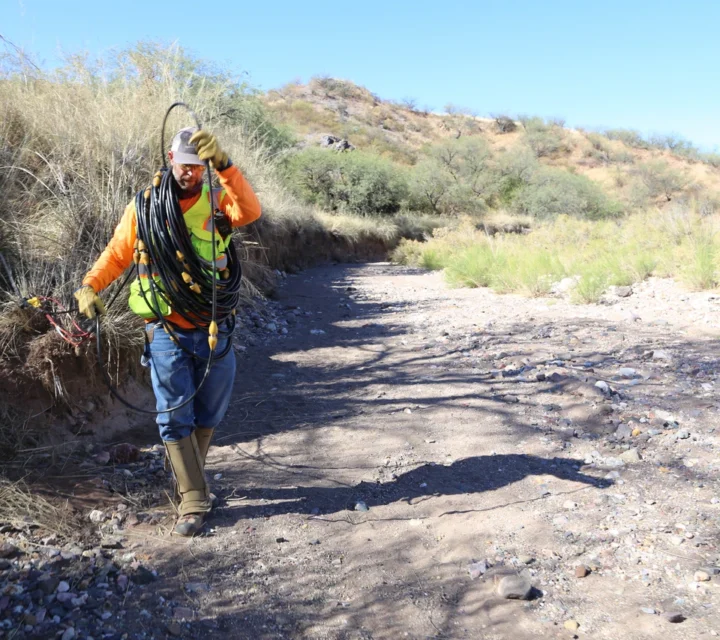
Buried cables are often difficult to identify due to incomplete records, abandoned lines, or dense infrastructure corridors. Cable location helps reduce the risk of damage during excavation, drilling, or construction by confirming cable presence before work begins.

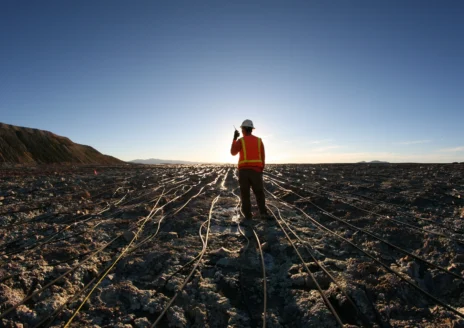
Cable location begins with surface assessment followed by controlled signal application and tracing. Detected responses are verified across the site to maintain continuity and reduce false positives. Execution focuses on repeatable field practices rather than reliance on existing drawings alone.
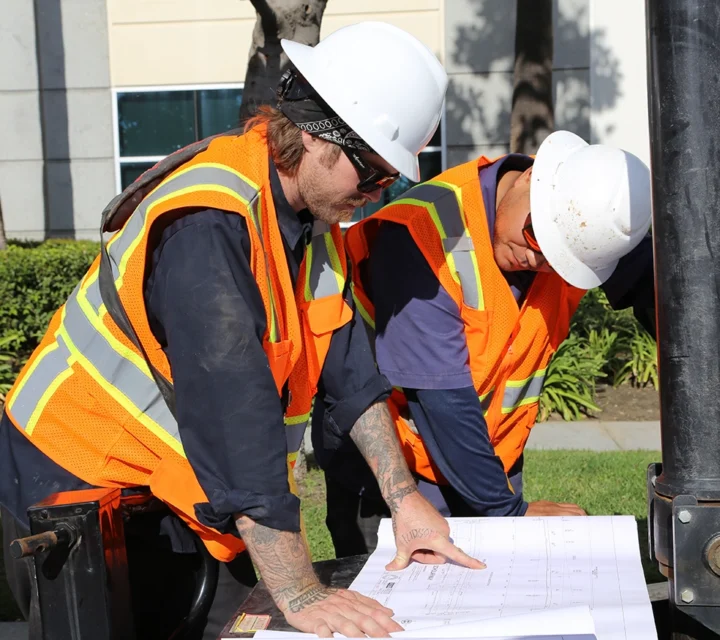
Results include marked cable alignments, documented locations, and supporting field data. When required, information can be incorporated into utility maps, reports, or digital models to support coordination and safer subsurface access.
Cable location uses established detection methods selected based on cable type, access conditions, and site constraints. Methods focus on non-destructive identification and confirmation of buried electrical and communication infrastructure.
Transmitter connected directly to accessible cables or tracer wires to send a detectable signal.
Surface-applied signal induces response in buried cables when direct connection is unavailable.
Learn more about common considerations when locating buried cables, including limitations and typical deliverables.
Electrical and communication cables can typically be located using electromagnetic methods, depending on accessibility and signal conditions.
Cable location primarily identifies horizontal position. Depth estimates may be possible but vary by method and site conditions.
No. Cable location is performed using non-destructive surface-based methods whenever possible.
Yes. Located cables can be incorporated into utility maps, reports, or digital models when requested.
Accurate cable location reduces the risk of damage during excavation and construction. Field-verified cable locating supports coordination, safer work planning, and informed decisions where buried electrical and communication lines are present.
Loading...