

Mining
Geophysical Solutions for Mining
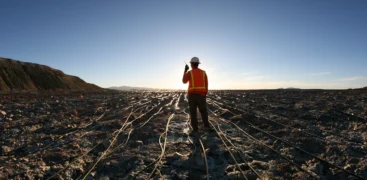
Geophysics for mining enables understanding of complex internal behavior in engineered rock piles, tailings, and waste materials. Our geophysical characterization provides a comprehensive view of subsurface conditions, delivering actionable insights that support more informed operational and environmental decisions.
Mining
Understanding Mining Subsurface Conditions
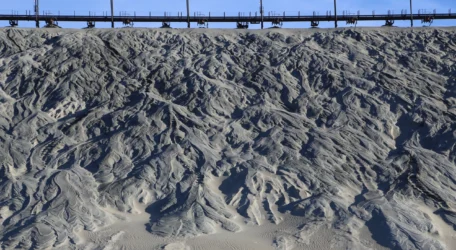
Mining materials often behave unpredictably due to complex internal interactions. Without characterization, operators may struggle to understand nonuniform flow, internal saturation, unstable zones, or pathways that transport impacted water. Waste rock and tailings can allow fluids to move rapidly, carrying metals and creating environmental concerns when water leaves containment or migrates to nearby sources.
Mining
Mining Characterization Services
Geophysics provides essential insight into the internal behavior of mining materials. Our services clarify subsurface structure, fluid movement, and overall performance across heap leach pads, waste, and tailings.
Mining
Geophysical Methods for Mining
We use multiple geophysical methods to reveal internal structure, fluid behavior, and material variability within mining systems. Each technique contributes complementary data, creating a comprehensive view of subsurface conditions that guides safer, more efficient decisions throughout the life of your mining assets.
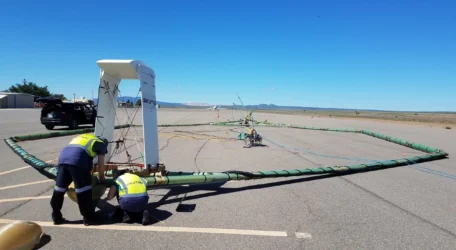
Airborne Electromagnetic Method (AEM)
High-coverage subsurface mapping tool offering clarity on structural complexity and fluid distribution across large sites.
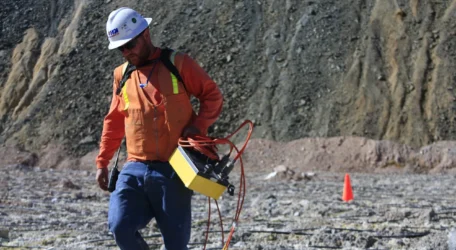
Electrical Resistivity
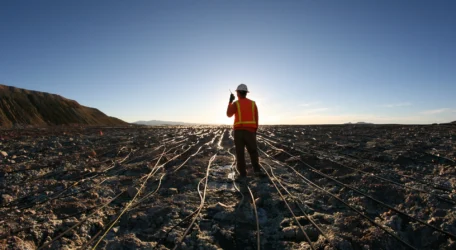
Electrical resistivity measures variations in subsurface electrical properties to reveal differences in material composition.
Support Mining Decisions
Mining projects rely on accurate subsurface understanding. Subsurface investigation and geophysical services provide field-verified information that supports planning, risk reduction, and informed decision-making across mining environments.