Certerra Subsurface Liner Leak Location – Pinpointing industrial pond liner leaks
News2 Mar 2026
Soil characterization evaluates subsurface conditions by identifying variations in soil composition, moisture, and structure. This geophysical approach provides critical insight into environmental quality, site suitability, and potential risks, informing decisions for development or restoration projects.
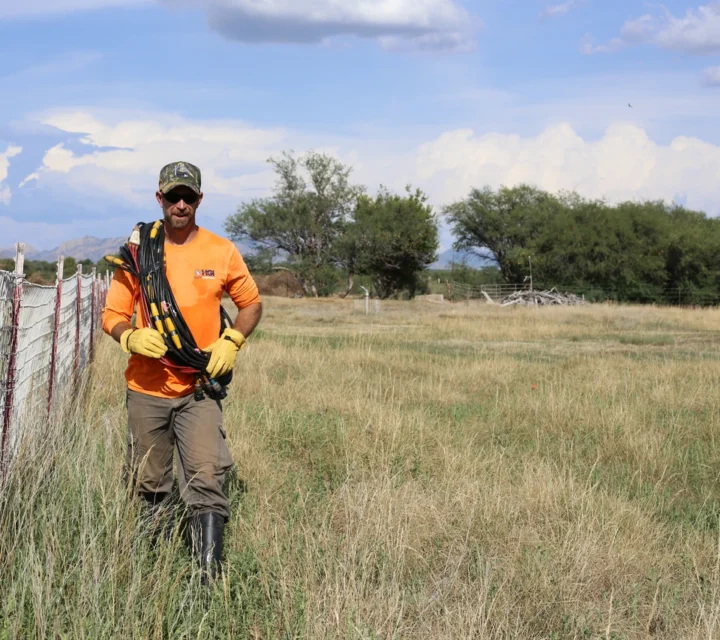
We measure differences in physical properties such as resistivity, conductivity, and density. These variations are modeled to define subsurface layering, saturation levels, and areas affected by prior use or disturbance. Data is collected non-invasively from the surface, allowing us to evaluate large areas quickly and cost-effectively. By integrating multiple geophysical technologies, our soil characterization provides high-resolution insight into subsurface conditions that control water flow, contaminant migration, and site stability.
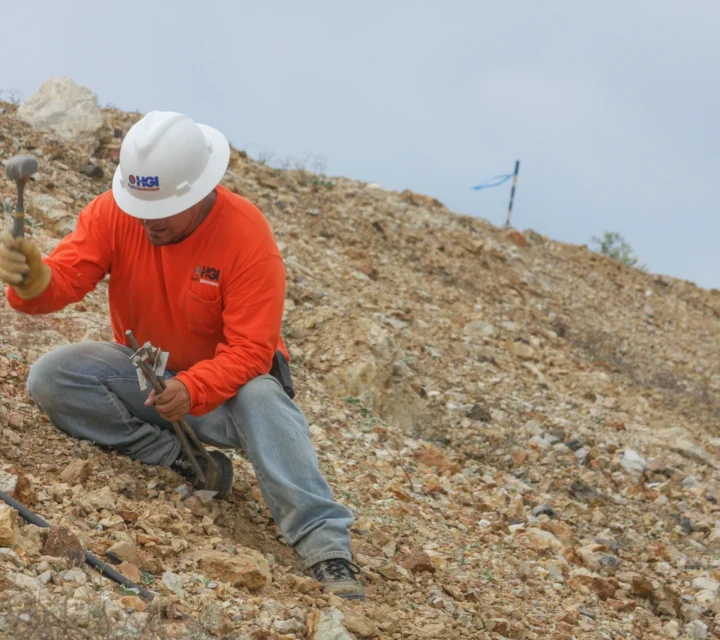
Soil characterization addresses challenges of uncertainty beneath the surface, helping identify soil variability, contamination, and zones of instability. It provides clarity in environments with a history of disturbance or unknown fill materials. Characterization also supports environmental restoration, redevelopment planning, and risk assessment by revealing structural inconsistencies and potential contaminant pathways. By understanding soil behavior and composition before intrusive work begins, project teams can make informed, cost-effective, and sustainable decisions.
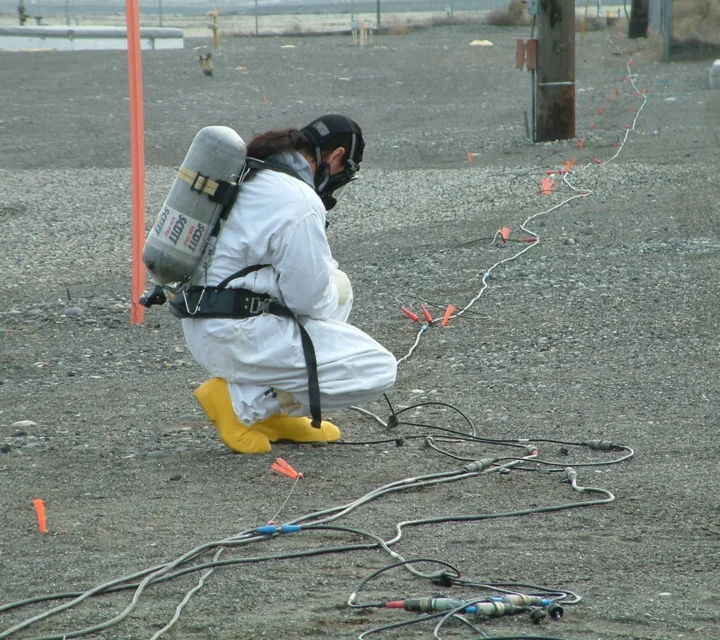
Soil characterization delivers a detailed understanding of subsurface conditions that supports confident project planning and environmental management. Results highlight soil boundaries, contaminant presence, and geologic context—helping optimize sampling, improve design, and mitigate potential hazards. This information allows stakeholders to make data-driven decisions for remediation, construction, or monitoring with minimal environmental impact and reduced risk.
We use multiple geophysical methods for soil characterization. These techniques identify variations in soil structure, composition, and moisture content, providing comprehensive understanding of subsurface conditions for environmental assessment, site development, and engineering decisions.
Electrical resistivity measures variations in subsurface electrical properties to reveal differences in material composition.
Nuclear Magnetic Resonance measures signals from hydrogen nuclei to reveal subsurface moisture content and pore structure.
Learn how soil characterization reveals subsurface variations, clarifies environmental conditions, and delivers actionable data for engineering design, site planning, and remediation projects.
Yes. Soil characterization highlights property anomalies that often correspond to contaminated zones, buried fill, or disturbed materials.
When combined with targeted sampling, it provides a highly accurate model of soil and subsurface structure.
Geophysical soil characterization is faster, more cost-effective, and covers significantly broader areas than discrete borehole sampling.
You receive maps and profiles illustrating subsurface variation, helping teams visualize soil conditions and make informed environmental and engineering decisions.
Soil conditions can vary significantly across a site and influence planning and construction decisions. Soil characterization provides field-verified insight into material variability to support informed subsurface evaluation and coordination.
Loading...